
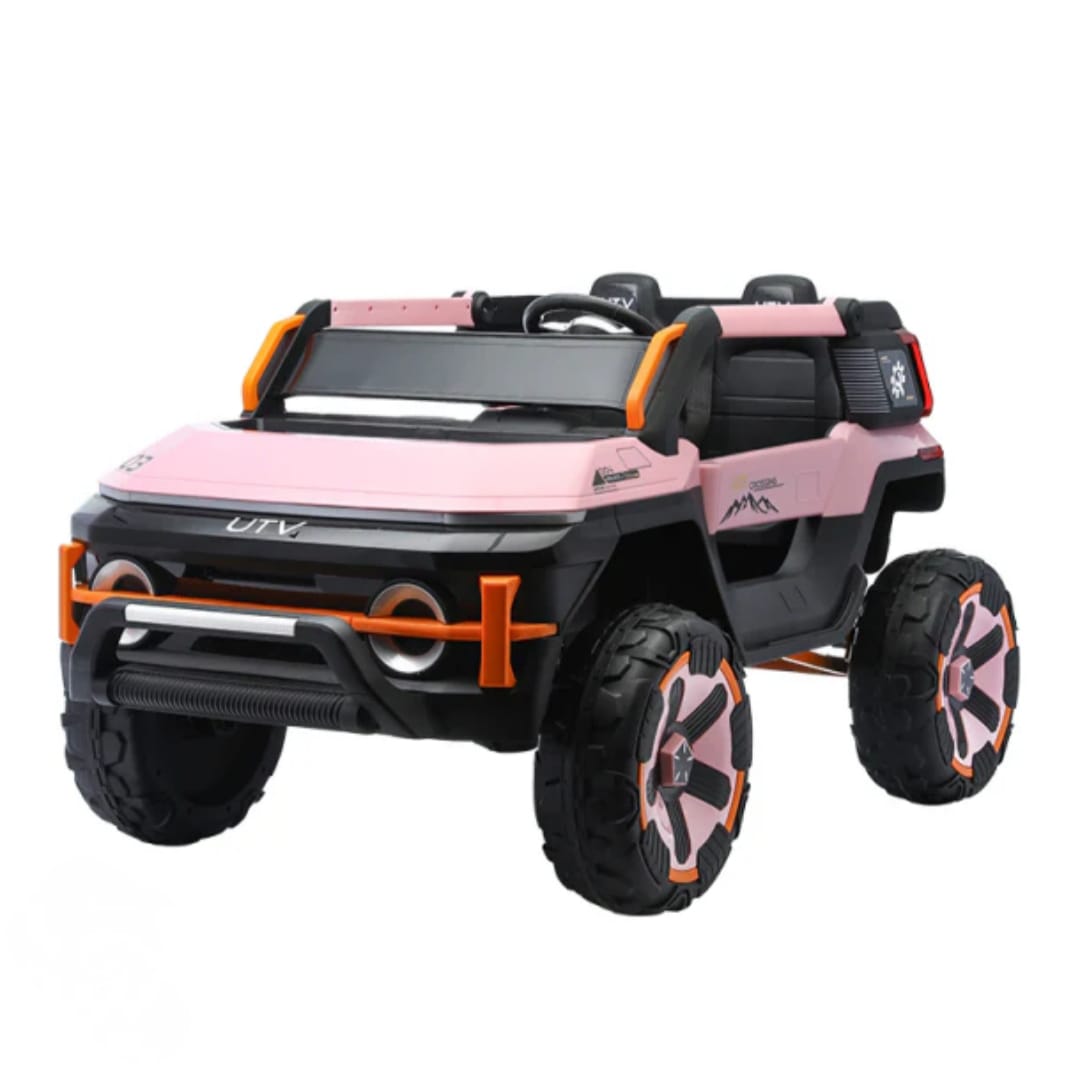
Single Motor vs Dual Motor Ride-Ons: What's the Difference?
One motor or two? Here's how motor count affects speed, power, terrain handling, and which setup is best for your child.
Motor Count Matters
You'll notice some ride-on vehicles advertise "dual motor" or "2x motors" while others have a single motor. Here's what the difference means in practice.
Single Motor
One motor drives one axle (usually the rear). Suitable for: flat, smooth surfaces. Lighter vehicles. Lower price point. Adequate for indoor use and paved paths. Most 6V vehicles use a single motor.
Dual Motor
Two motors — one on each rear wheel (or one per axle). Benefits: more torque for inclines, better traction on grass and gravel, smoother turning (each wheel can be powered independently), and higher top speed. Most 12V jeeps and larger vehicles use dual motors.
When Do You Need Dual Motors?
- Outdoor use on grass, gravel, or uneven surfaces
- Heavier children (above 25 kg)
- Areas with even slight inclines
- Two-seater vehicles carrying two children
When Is a Single Motor Fine?
- Indoor-only use
- Flat apartment compounds
- Toddlers under 20 kg
- Budget-conscious purchases for first-time riders