
Ride-On Vehicles and Sibling Sharing: How to Make It Work
Two kids, one ride-on — here's how to handle sharing, turn-taking, and whether a two-seater is the better solution.
Sharing Wheels: The Sibling Challenge
If you have two children and one ride-on vehicle, you already know the drill. "It's my turn!" followed by tears. Here's how to make sharing work — or whether getting a two-seater is the smarter investment.
Turn-Taking Strategies That Work
- Timer method: Set a phone timer for 10–15 minutes each. When it beeps, switch. Clear, fair, no arguments.
- Lap counting: Each child gets 5 laps of the compound, then switches.
- Role play: One child drives, the other plays "traffic police" with a whistle and stop sign — then swap.
The Two-Seater Solution
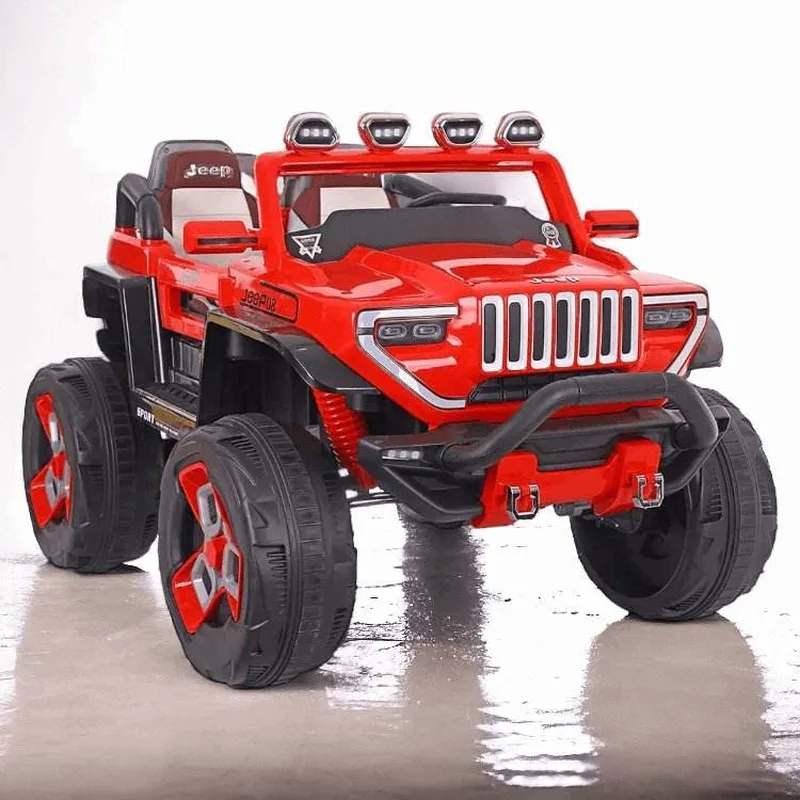
If your children are close in age (within 3 years) and under the weight limit together, a two-seater ride-on eliminates the sharing problem entirely. One drives, one rides — and they swap naturally. Most two-seater jeeps carry up to 50 kg combined.
Two Vehicles — When It Makes Sense
If the age gap is large (5+ years), a two-seater doesn't work well — the older child finds it babyish and the younger child can't reach the controls. In this case, two age-appropriate vehicles are the better investment. They don't need to be the same price — a ₹4,000 vehicle for the younger child and a ₹10,000 one for the older works perfectly.