
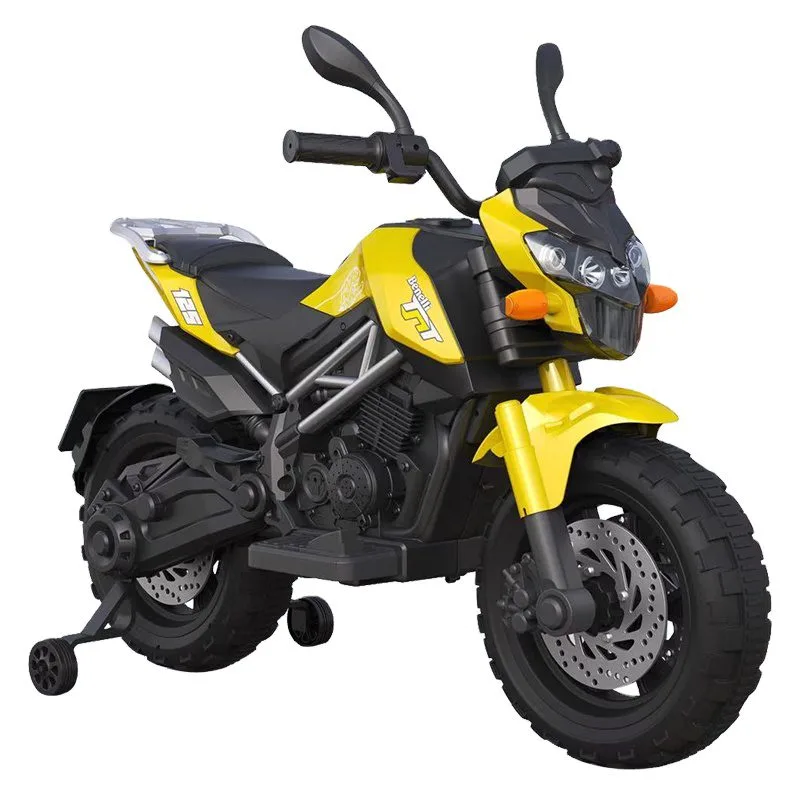
The Environmental Impact of Ride-On Vehicles: What Parents Should Know
Are battery-operated ride-ons eco-friendly? We look at batteries, plastics, and what the industry is doing to reduce its footprint.
The Green Question
As parents become more environmentally conscious, it's fair to ask: what's the environmental impact of battery-operated ride-on vehicles?
The Positives
- No emissions during use (unlike petrol-powered mini vehicles that existed in the past)
- Durability — a well-maintained ride-on lasts 3–5 years and can be passed to siblings or resold
- Outdoor play reduces dependency on electronic devices that consume more energy over time
The Challenges
- Batteries: Lead-acid batteries contain toxic materials. Dispose at authorised e-waste centres — never in regular trash.
- Plastic body: Made from petroleum-based plastics. Choose durable models that last longer, reducing replacement frequency.
- Packaging: Large styrofoam and cardboard packaging. Recycle the cardboard; check if your municipality accepts styrofoam.
What You Can Do
- Buy quality — a vehicle that lasts 5 years is better than 3 cheap ones
- Maintain properly — extend lifespan through good battery care
- Pass it on — sell or donate outgrown vehicles instead of discarding
- Recycle batteries at authorised centres (most cities have e-waste collection points)