
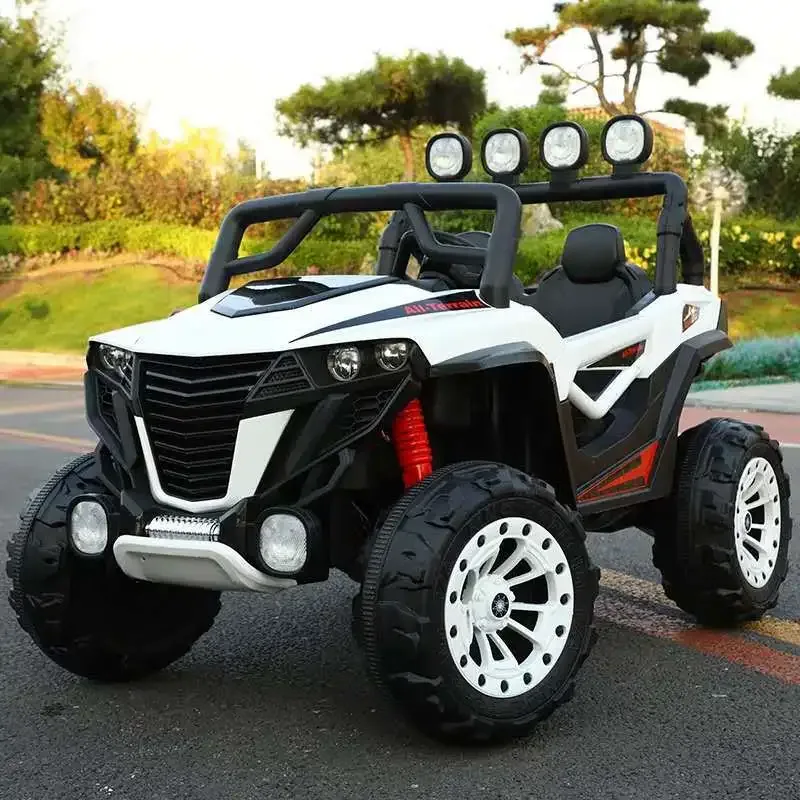
10 Essential Safety Tips for Kids' Ride-On Vehicles
From helmets to terrain checks, these 10 safety rules will keep your child safe while they enjoy their battery-powered ride.
Safety First, Fun Always
Ride-on vehicles are designed to be safe, but parental supervision and a few ground rules make all the difference.
The 10 Rules
- Always supervise: No child under 8 should ride unsupervised, regardless of the vehicle type.
- Helmet for bikes and scooters: Falls happen. A simple helmet prevents serious head injuries.
- Check the terrain: Avoid steep slopes, wet surfaces, loose gravel, and areas near traffic.
- Use the seat belt: If the vehicle has one, it should be buckled — every time.
- Start slow: Use the lower speed setting until your child is confident with steering and braking.
- Closed shoes only: No sandals, no bare feet. Shoes protect toes from wheels and pedals.
- Never near water: Keep ride-ons away from pools, lakes, and deep puddles. Water + batteries = danger.
- Weight limits matter: Never exceed the manufacturer's weight capacity — it affects stability and braking.
- Inspect before each ride: Quick check — tyres inflated, battery charged, no loose parts.
- No public roads: Ride-on vehicles are toys, not street-legal vehicles. Parks, driveways, and compounds only.
Following these rules means your child gets maximum fun with minimal risk. That's the sweet spot.